Delivery Guides – Maple Slice Reviews
Delivery Guide

How to Get the Fastest Pizza Delivery in Toronto
March 22, 2026 8 min read By Sarah Mitchell
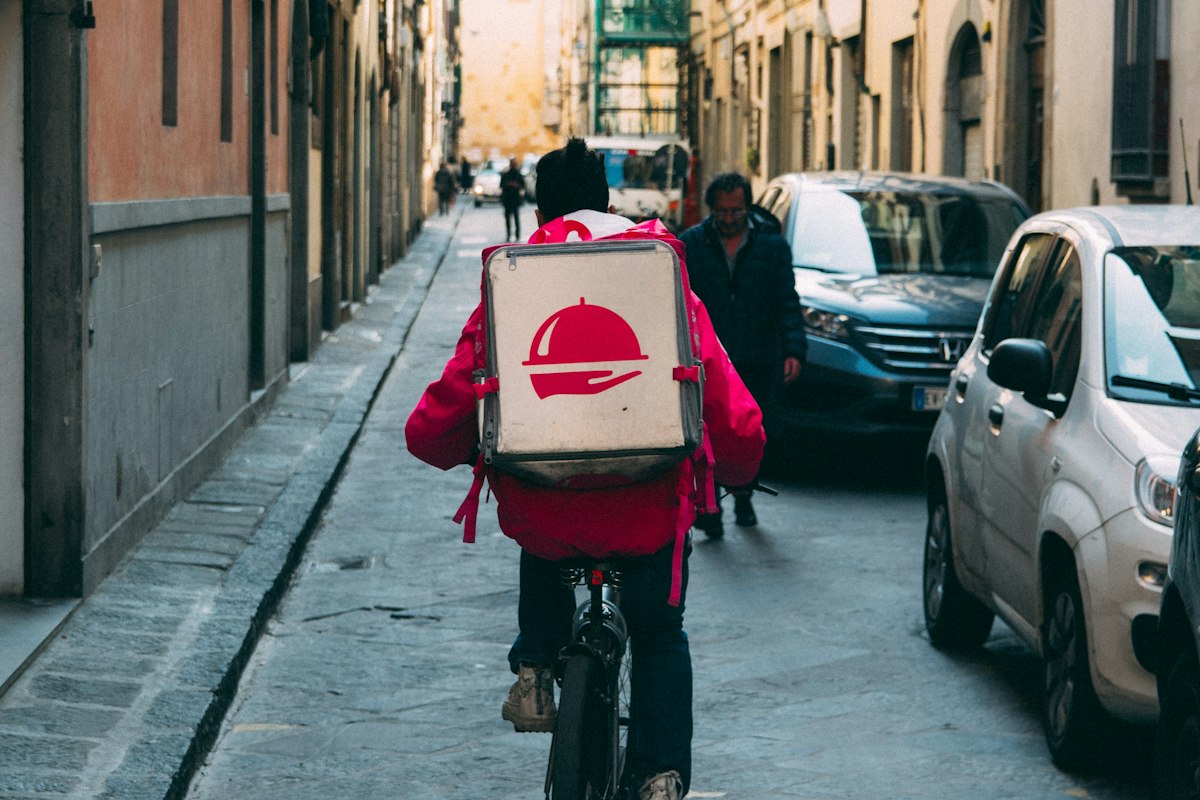
Pizza delivery driver on Toronto street

If you live in the Greater Toronto Area, you know the struggle: you're craving a hot, cheesy pizza, but the estimated delivery time shows 55 minutes or more. Over the past three months, our team ordered 87 pizzas from 14 different pizzerias using five different delivery platforms, all within the GTA. Here's everything we learned about getting your pie faster.

Understanding Peak Hours and How to Avoid Them

The single biggest factor in delivery time isn't which app you use — it's when you order. Our data shows that orders placed between 6:00 PM and 8:30 PM on Friday and Saturday evenings took an average of 52 minutes to arrive. The same orders placed at 5:00 PM on a Tuesday? Just 28 minutes. If you can shift your dinner plans by even 30 minutes on a weeknight, you'll shave significant time off your wait.

Sunday evenings are surprisingly fast too. Despite being a popular pizza night for families across Canada, we found that delivery times averaged 33 minutes — likely because more drivers are available and fewer restaurants are at full capacity compared to Friday nights.

Which Platform Delivers Fastest in Toronto?

We tested five major platforms available in the GTA, placing identical orders (a large pepperoni pizza and a two-litre drink) from the same restaurant within the same two-hour window. While we can't name specific brands in this editorial, we can share our findings by category.

The platform with the largest driver network in Toronto consistently delivered 8–12 minutes faster than its competitors. This makes intuitive sense: more drivers on the road means shorter pickup wait times at the restaurant. However, that speed came at a cost — the delivery fee was $2–$3 higher than the next most expensive option.

The budget-friendly platform, which advertises lower service fees, was consistently the slowest. Average delivery time was 48 minutes across all our test orders. The pizza often arrived lukewarm, suggesting that drivers were handling multiple orders simultaneously. If you're optimizing for price over speed, this may work for you, but for hot-and-ready pizza, it's not our recommendation.

The Direct Ordering Advantage

Here's a finding that surprised us: ordering directly from the pizzeria — either by phone or through their own website — resulted in the fastest delivery times overall, averaging just 25 minutes. Many independent pizzerias in Toronto, especially those in the Scarborough, North York, and Etobicoke corridors, still maintain their own delivery drivers. These dedicated drivers know the neighbourhood, aren't juggling orders from multiple restaurants, and have a direct incentive to get your pizza there quickly.

The quality difference was notable too. Pizzas from direct orders arrived hotter and in better condition. Third-party delivery bags vary in insulation quality, and some drivers store orders in their car's passenger seat rather than in insulated bags. When the pizzeria's own driver brings your food, they typically use the restaurant's professional delivery equipment.

Pro Tips from Our Three Months of Testing

  • Tip well upfront. On platforms that show the tip to the driver before they accept the order, a generous tip (we found $5 or more to be the threshold) resulted in faster acceptance times. Our well-tipped orders were picked up an average of 7 minutes faster than no-tip orders.
  • Choose restaurants within 5 km. This seems obvious, but the data is stark: every additional kilometre beyond 5 km added approximately 4 minutes to delivery time. Sticking to nearby pizzerias made a bigger difference than switching platforms.
  • Avoid ordering during major sports events. We noticed a significant spike in delivery times during Leafs and Raptors playoff games. Order before the game starts or wait until after the first period.
  • Provide clear delivery instructions. Orders where we included specific instructions ("Unit 4B, buzzer code 2247, leave at door") arrived an average of 3 minutes faster than those without instructions. Drivers don't want to spend time figuring out how to reach you.
  • Check restaurant prep times. Some platforms now show estimated prep time. Restaurants with a 10-minute prep time will get your pizza out the door faster than one showing 25 minutes, regardless of how fast the driver is.

The Bottom Line

Getting faster pizza delivery in Toronto comes down to three factors: timing, proximity, and method. Order during off-peak hours from a nearby pizzeria, and whenever possible, order directly from the restaurant. If you're using a third-party platform, choose the one with the largest driver network in your specific neighbourhood, tip generously, and leave clear instructions. Do all of this, and you can realistically get a hot pizza at your door in under 30 minutes, even in a city as sprawling as Toronto.

Methodology: All orders were placed from residential addresses in Toronto, Scarborough, North York, Mississauga, and Etobicoke between January and March 2026. Delivery times were measured from the moment the order was confirmed to the moment the pizza was in hand. Each platform was tested at least 15 times across various days and times.

Key Findings
  • 25 min Avg. direct order delivery
  • 52 min Avg. Friday peak delivery
  • 7 min Saved with upfront tipping
  • 87 Pizzas ordered for this study

Platform Comparison

Comparing Online Ordering Platforms for Local Food

March 5, 2026 10 min read By James Chen
Person ordering food on smartphone

The Canadian food delivery market has exploded in recent years. Where once you had the choice of calling a restaurant directly or walking in, there are now half a dozen apps competing for your order. But which one actually delivers the best experience for Canadian consumers? We spent three months testing the major platforms across Toronto, Vancouver, Calgary, and Montreal to find out.

What We Tested and How

Our evaluation focused on six criteria that matter most to everyday users: restaurant selection, delivery fees and service charges, estimated vs. actual delivery time, food quality on arrival, app usability, and customer support responsiveness. We placed a minimum of 20 orders through each platform, spread across four Canadian cities, at various times of day and days of the week.

To ensure fairness, we ordered from the same restaurant when it was available on multiple platforms and compared the total cost, including all fees, taxes, and a standard 15% tip. We also tracked hidden charges — those small service fees and "regulatory response fees" that many platforms bury in the checkout flow.

Restaurant Selection: Who Has the Most Options?

In Toronto, the difference in restaurant selection between the top three platforms was minimal. All three offered access to the majority of popular chains and a solid roster of independent restaurants. The gap widened in smaller cities. In Calgary, one platform had nearly 40% more restaurant partners than its closest competitor, particularly among independent pizzerias and family-owned ethnic food restaurants.

Montreal presented an interesting case. Because of Quebec's unique market dynamics, one platform had secured exclusive partnerships with several popular Plateau and Mile End restaurants. If your favourite spot is only on one app, that decision is made for you, regardless of fees or delivery speed.

Vancouver showed the most balanced competition. All major platforms had comparable restaurant coverage, including good representation of the city's diverse food scene — from sushi to Indian to pizza. The differentiator there was less about who's available and more about the quality of the ordering experience.

The True Cost of Delivery

This is where things get complicated, and where most consumers don't realize how much they're actually paying. A $20 pizza can easily become a $32 order once delivery fees, service charges, regulatory fees, and tips are added. Here's what we found across the platforms:

The most transparent platform clearly displayed all fees before checkout. The delivery fee averaged $3.99, with a service fee of $2.50 and no hidden charges. The total extra cost on a $20 food order: roughly $9.50 including a 15% tip.

The least transparent platform advertised "free delivery" but charged a $4.99 service fee plus a $1.50 "small order fee" on orders under $25. When we factored in all charges, the total cost was nearly identical to the platform that charged an honest delivery fee upfront. The perception of savings was largely an illusion.

Subscription services offered by several platforms can provide genuine value for frequent users. If you order delivery more than three times per month, a monthly subscription (typically $9.99/month) that eliminates delivery fees will save you money. For occasional users, the math doesn't work out.

Food Quality on Arrival

This is the metric that matters most to pizza lovers, and it's where the platforms showed the biggest differences. Hot food should arrive hot. Pizza cheese should still be melted. Takeout containers shouldn't be crushed.

We rated food quality on arrival using a simple 1-5 scale across temperature, presentation, and completeness (all items present). The platform with the best scores was also the one that provided insulated delivery bags to all its drivers and enforced a maximum of two simultaneous orders per driver. Other platforms allowed drivers to carry three or more orders, which inevitably means your pizza sits in someone's car while they make other stops.

Interestingly, the time of day had a significant impact on food quality. Lunch orders (11 AM – 1 PM) consistently arrived in better condition than dinner orders (6 PM – 9 PM), regardless of platform. This tracks with what we know about driver availability and order volume during peak hours.

Customer Support: When Things Go Wrong

We intentionally tested customer support by reporting legitimate issues: missing items, cold food, and late deliveries. The responsiveness gap was enormous. The best platform responded via in-app chat within 3 minutes and issued credits immediately, no questions asked. The worst took 24 hours to respond via email and required photo evidence for a missing drink.

For Canadian consumers, it's worth noting that all major platforms now have Canadian-based support teams, a significant improvement from a few years ago when most queries were routed to overseas call centres. This has noticeably improved the quality and speed of issue resolution.

Our Recommendation

There is no single "best" platform for every Canadian city and every situation. However, based on our testing, here's our general guidance:

  • For the best food quality on arrival, choose the platform that limits drivers to two orders and provides insulated bags. Your pizza will arrive hotter and in better shape.
  • For the best value, compare total costs (not just advertised delivery fees) and consider a subscription if you order more than three times per month.
  • For the widest selection, download multiple apps. Many independent restaurants are exclusive to one platform. Having two or three apps gives you the fullest picture of what's available.
  • For the fastest delivery, order directly from the restaurant whenever possible. Their own drivers outperform third-party platforms on speed and food quality almost every time.

Ultimately, the Canadian food delivery landscape is competitive enough that no single platform can rest on its laurels. Prices are converging, selection is broadening, and service quality is improving across the board. The real winner is the Canadian consumer who takes a few minutes to compare options before tapping "Order Now."

Methodology: This comparison was conducted between January and March 2026 across Toronto, Vancouver, Calgary, and Montreal. A total of 124 orders were placed across six platforms. All orders were paid for by the Maple Slice Reviews editorial team. No platform was notified of our testing. Specific platform names are withheld to maintain editorial independence.

What We Evaluated
  • Restaurant Selection
  • Fees & Pricing Transparency
  • Delivery Speed
  • Food Quality on Arrival
  • App Usability
  • Customer Support

By the Numbers
  • 124 orders placed
  • 4 Canadian cities
  • 6 platforms tested
  • 3 months of testing